







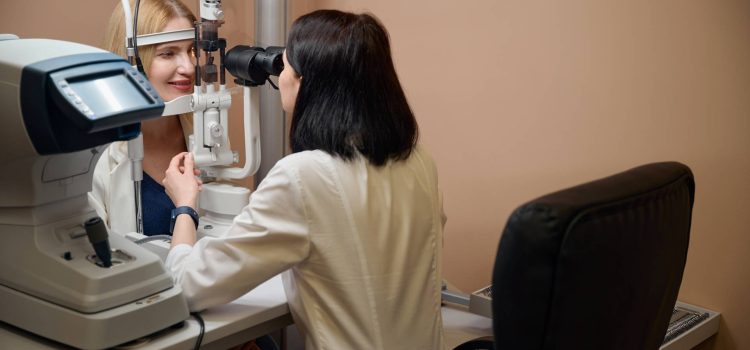
Routine vision care is often associated with updating prescriptions or checking visual clarity, but the value of a comprehensive eye exam extends far beyond eyesight alone. Because the eyes are connected to blood vessels and nerve tissue that reflect what is happening throughout the body, regular examinations can sometimes reveal early signs of broader health conditions. Understanding this connection helps patients appreciate why eye health plays an important role in overall wellness and long-term disease prevention.
The Eye as a Window Into the Body
The eye is unique in that it allows trained professionals to directly observe blood vessels and nerve tissue without invasive procedures. During a standard eye exam, eye care professionals may examine the retina, optic nerve, and surrounding structures. These tissues can show subtle changes caused by systemic conditions long before noticeable symptoms appear elsewhere in the body.
Changes in the appearance of blood vessels, such as narrowing, swelling, or small leaks, can suggest underlying circulating issues. Similarly, damage or inflammation affecting nerve tissue may reflect broader neurological or immune-related processes. While these findings are not diagnostic on their own, they can raise important red flags that prompt further medical evaluation.
Early Indicators of Diabetes
Diabetes is one of the most commonly discussed conditions linked to eye health. Elevated blood sugar levels can affect tiny blood vessels throughout the body, including those in the retina. In some cases, these vascular changes may be visible during an eye exam even before a person is aware they have diabetes.
Early signs may include small areas of bleeding, vessel weakness, or abnormal fluid accumulation. Identifying these changes early allows patients to seek timely follow-up testing and lifestyle guidance from their family doctor. Early detection supports better blood sugar management and may reduce the risk of long-term complications affecting both vision and overall health.
Clues Related to High Blood Pressure
High blood pressure, also known as hypertension, often develops without obvious symptoms. However, it can leave visible markers in the eyes. Persistent pressure on blood vessel walls can cause narrowing, thickening, or damage that may be noticed during routine eye care visits.
These vascular changes can reflect how well blood pressure is being controlled throughout the body. When such signs are observed, sharing eye exam findings with a family doctor can support earlier recognition of hypertension. Addressing blood pressure concerns early is associated with improved cardiovascular health and reduced strain on vital organs over time.
Autoimmune and Inflammatory Conditions
Autoimmune disorders occur when the immune system mistakenly attacks healthy tissue, leading to inflammation in various parts of the body. The eyes can be affected by this process, sometimes showing inflammation of the optic nerve, retina, or other internal structures.
In certain cases, eye-related inflammation may appear before other systemic symptoms become clear. Observations made during a comprehensive eye exam can therefore contribute to a broader understanding of unexplained symptoms such as fatigue, joint pain, or recurring inflammation. Coordinating these findings with other medical evaluations helps create a more complete picture of a patient’s health.
The Importance of Communication and Coordinated Care
One of the most important aspects of early disease detection through eye care is communication. Eye care professionals and primary care providers each see different pieces of the health puzzle. When patients share eye exam results with their family doctor, it supports a more integrated approach to care.
This exchange of information can lead to earlier testing, monitoring, or referrals when needed. Coordinated care reduces the likelihood that early warning signs will be overlooked and encourages proactive health management. Over time, this collaborative approach can contribute to better long-term outcomes and a clearer understanding of how different systems in the body influence one another.
Why Routine Eye Exams Matter Even Without Symptoms
Many systemic health conditions develop gradually and silently. Waiting for symptoms to appear can delay diagnosis and limit treatment options. Routine eye care offers an additional opportunity to notice subtle changes that might otherwise go undetected.
Regular eye exams are therefore valuable not only for maintaining vision but also for supporting broader health awareness. Even when eyesight feels stable, these visits can provide meaningful insights that complement other preventive health measures.
Routine eye exams play a quiet but powerful role in early disease detection by revealing changes in blood vessels and nerve tissue that reflect overall health. They can offer important clues that support timely follow-up with a family doctor. By recognizing the connection between eye health and systemic conditions, patients can take a more informed and proactive approach to long-term wellness.