







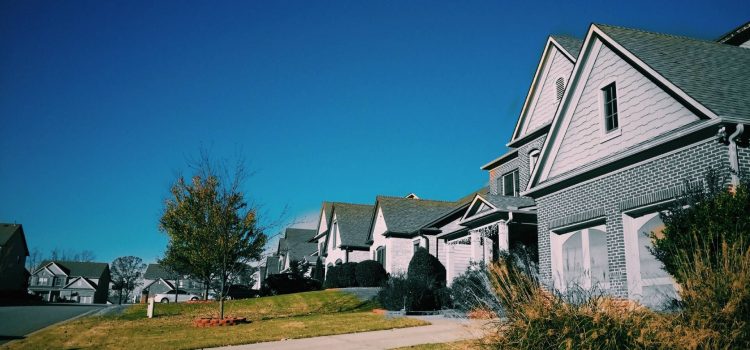
Buying a home isn’t just about the property itself—it’s about the environment that surrounds it. A beautiful house in the wrong neighborhood can quickly lose its appeal, while a modest home in a well-balanced area can become a long-term asset. This guide will help you grade a potential street by focusing on safety, traffic flow, zoning laws, and proximity to essential services.
Assessing Neighborhood Safety
Safety is often the first and most important factor when evaluating a neighborhood. While your real estate agent can provide general insights, it’s worth doing your own observations during open house visits. Look for signs of community care, such as well-maintained homes, clean sidewalks, and functional street lighting. These often indicate residents who are invested in their surroundings.
Take note of how secure homes appear—are there visible security systems, cameras, or neighborhood watch signs? Visiting at different times of day can provide a more complete picture of how the area feels.
Understanding Traffic Flow
Traffic patterns can significantly affect your daily quality of life. A quiet street during an open house may not stay that way during rush hour. Pay attention to whether the road is used as a shortcut between major routes, as this can lead to increased congestion and noise.
Observe the width of the street, availability of parking, and presence of sidewalks or bike lanes. Streets that are too narrow or heavily parked can create challenges for residents. On the other hand, well-designed roads with clear markings and smooth flow tend to support a more peaceful living experience.
Listen carefully while touring the property. Even subtle noise can become disruptive over time. A well-balanced neighborhood typically limits through traffic while still allowing easy access to main roads.
Reviewing Zoning Laws and Future Development
Zoning laws shape the long-term character of a neighborhood. Before committing to a home, research what types of buildings and businesses are allowed nearby. This helps you understand whether the quiet street you see today could change in the future.
For example, vacant lots or older buildings nearby may be redeveloped into commercial spaces, apartment complexes, or mixed-use properties. While development can bring convenience, it can also increase traffic and noise.
Ask your real estate agent about any planned projects or recent zoning changes in the area. Local municipal websites can also provide zoning maps and development proposals. Being informed allows you to anticipate changes rather than being surprised by them after you move in.
Evaluating Accessibility to Commercial Hubs
One of the most desirable qualities in a suburban neighborhood is the balance between tranquility and convenience. While you may want a peaceful residential street, you also need easy access to everyday essentials.
Consider how close the neighborhood is to grocery stores, pharmacies, schools, and dining options. Ideally, these should be a short drive or even a walk away. Proximity to reliable service providers is equally important. Having a trusted muffler shop or service garage nearby can save you time and stress when dealing with unexpected vehicle issues.
Think about your daily routines. A well-located neighborhood reduces travel time without sacrificing the calm atmosphere that makes suburban living appealing.
Observing Community Dynamics
Beyond physical features, the people and culture of a neighborhood play a major role in its overall quality. During an open house, take time to observe how residents interact. Are neighbors walking dogs, chatting, or spending time outdoors? These are positive indicators of a connected community.
Look for signs of family-friendly features such as parks, playgrounds, or community centers. Even small details, like children playing outside or well-kept yards, can reflect a welcoming and stable environment.
Balancing Peace and Practicality
The ideal suburban neighborhood strikes a careful balance. It offers quiet streets where you can relax, while still providing convenient access to essential services and commercial hubs. This balance is what makes a location not only livable but also highly desirable over time.
A neighborhood that supports your lifestyle, whether through accessible shopping, reliable local services, or manageable traffic, adds long-term value to your home purchase.
Grading a neighborhood requires a thoughtful approach that goes beyond first impressions. By evaluating safety, traffic flow, zoning regulations, and accessibility, you can make a more informed decision about where to live. With the guidance of a knowledgeable real estate agent and your own careful observations, you’ll be better equipped to find a neighborhood that offers both comfort and convenience, turning your next house into a true home.